This content is for informational purposes only and does not replace professional medical advice, diagnosis, or treatment. Disclaimer

Address

4312 Cypress Meadow Way, Jacksonville, FL 32224

Contact

contact@mossquarry.co.uk

The Quarry-to-Greenway Method: Matching Walking Surfaces to Comfort, Pace, and Mobility

This page explores how different walking surfaces can influence comfort, pace, and perceived effort, helping readers think more carefully about low-impact movement choices.

× Informational content.M
Informational content.

Walking looks simple from a distance. In practice, the surface under your feet changes the experience in quiet but important ways. A paved path can feel efficient and predictable. A packed gravel track may slow your pace a little, but it can also feel less harsh than concrete. Grass, boardwalks, woodland trails, and smooth greenways all shape stride length, balance demands, and how much effort a walk seems to take. That matters for comfort, confidence, and routine design. At Mossquarry, we look at everyday movement through a practical lens: not whether one surface is universally better, but how different walking environments support different goals. If you want a walk that feels easier on the body, steadier for your rhythm, or more inviting on busy days, the surface is part of the method. The Quarry-to-Greenway Method is a simple way to think about that choice. Start with firmer ground when you want ease and predictability. Shift toward softer or more varied terrain when you want more sensory engagement, a slower pace, or a modest balance challenge. The point is not perfection. It is matching the path to the day.

Why walking surface changes the experience

Surface affects more than scenery. It changes how your foot lands, how far your body has to stabilize with each step, and how much feedback you get from the ground. A flat, even surface tends to support a smoother rhythm. A softer or uneven surface often asks for more attention. That can feel refreshing for some walkers and tiring for others. The same route can feel easy one day and demanding the next, depending on footwear, fatigue, weather, and how long you have already been moving.

For people building a walking habit, this matters because perceived effort influences consistency. If a route feels too harsh, too slippery, or too unpredictable, motivation can drop. If it feels too easy, it may not hold attention. The most useful walking surface is often the one that fits the purpose of the outing. A commute-style walk, a recovery walk, and a weekend stroll do not need the same terrain.

Quarry surfaces: firmer ground, clearer rhythm

In the Quarry-to-Greenway Method, “quarry” stands for firmer, more structured walking surfaces. Think concrete pavements, asphalt paths, compacted stone, and well-maintained urban routes. These surfaces usually offer the most predictable footing. They support a steady pace and make it easier to measure distance or time. That can be helpful if you are tracking routine, aiming for consistency, or simply wanting a walk that feels straightforward.

Firmer surfaces often allow smoother transitions from one step to the next. For many walkers, that means less mental effort spent on watching the ground. It can also make it easier to maintain a conversational pace. However, firmer does not always mean better for every situation. Very hard surfaces can feel repetitive over longer durations, especially if your route includes little variation. Some people also notice that long stretches on concrete or asphalt feel more tiring than the same distance on a softer path.

Use quarry-style surfaces when you want:

  • a clear, even route
  • easy pace tracking
  • lower navigation demands
  • a reliable option in poor light or busy areas

Comfort and pace on firm paths

Pace often rises naturally on smooth, firm ground because there are fewer interruptions. That can be useful for brisk walking, short errands, or a time-limited outing. But a faster pace is not always the goal. If your focus is comfort, you may prefer to shorten stride slightly and keep the walk relaxed. The best test is simple: if you can keep your breathing controlled and your steps feel even, the surface is probably supporting your current purpose well.

Greenway surfaces: softer, quieter, and more variable

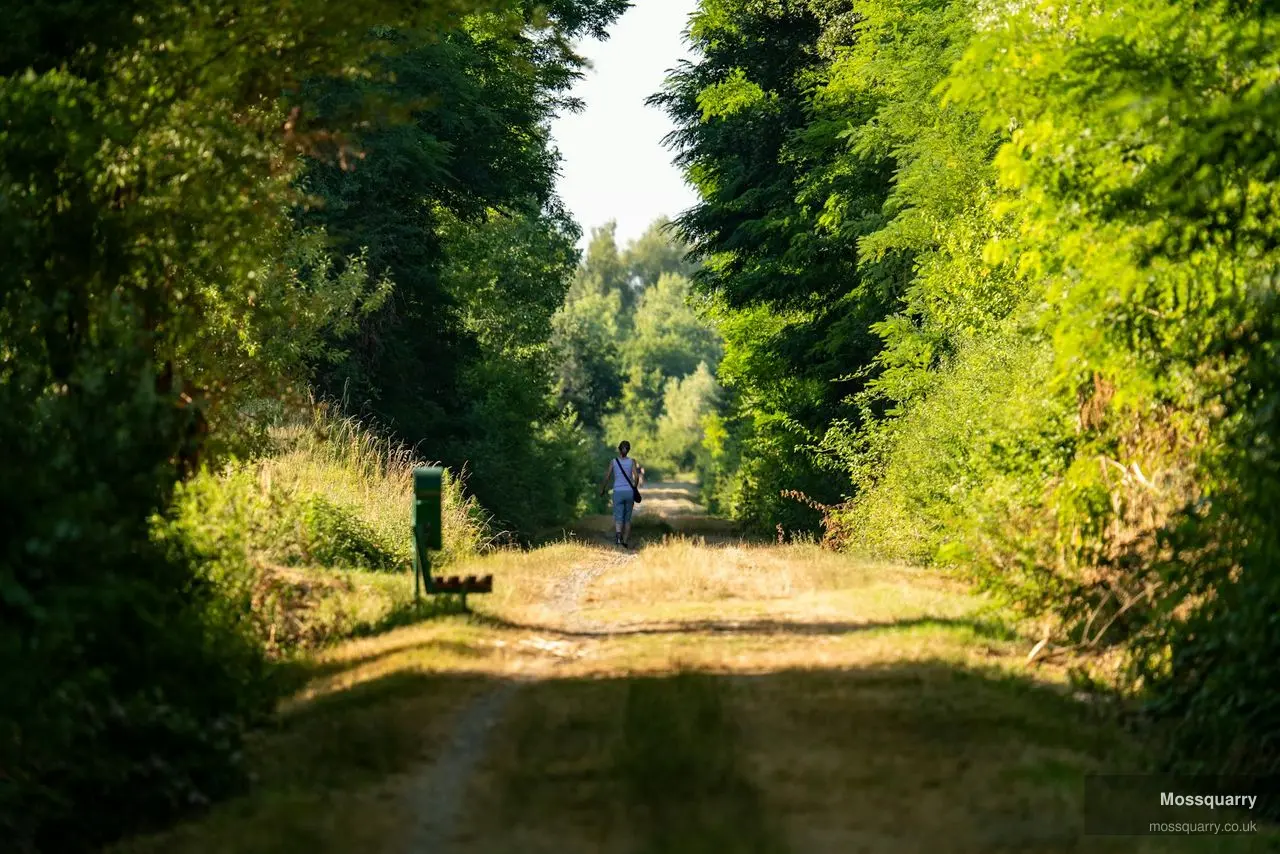
“Greenway” in this method refers to paths with more texture and variety. That includes packed dirt, gravel, grass, park trails, boardwalks, and mixed-surface routes. These paths often slow the body down a little. They can feel gentler in some ways and more demanding in others. A softer surface may reduce the sense of impact for some walkers, but it can also require more balance and ankle control. Small changes in slope, moisture, or loose material can alter the experience quickly.

Greenway-style routes are often useful when the goal is a calmer walk with more environmental variety. They can make walking feel less mechanical. Many people find that natural surfaces support a more mindful pace. The body may work a little differently, but the mind often feels less rushed. That said, uneven ground is not ideal for everyone. If you have concerns about stability, vision, or foot placement, a highly variable trail may require extra caution or a companion.

Analytically, the most important variable is often not distance but surface consistency. A short walk on uneven ground can feel more demanding than a longer walk on a smooth path, because the body spends more effort on balance and adjustment with each step.

How surface influences comfort, effort, and mobility

Comfort is subjective, but surface contributes in predictable ways. Smooth, level routes usually reduce decision-making and help maintain rhythm. Softer surfaces may feel less stark underfoot, yet they can create more variability from step to step. The result is a different kind of effort. You may not walk faster on a trail, but you may feel more engaged. You may not feel “worked” in the same way, but your body may still be adapting continuously.

Mobility also plays a role. If you use a cane, walker, or supportive footwear, stable surfaces often make route planning simpler. If your balance is strong and you enjoy terrain changes, a mixed route may feel rewarding. The key is to notice what your body seems to prefer on a typical day, not just what sounds ideal in theory. Fatigue, stiffness, weather, and carrying a bag can all change the equation.

Surface can influence perceived effort in several ways:

  • Hard, even ground can support a quicker, more repetitive rhythm.
  • Soft ground can reduce speed and increase balance demands.
  • Loose gravel may feel unstable unless it is well packed.
  • Wet grass, mud, and leaf cover can increase slip risk.
  • Boardwalks and raised paths can offer stability while still changing the walking experience.

Choosing the right surface for the day

The best walking surface depends on your goal. If you want a practical walk that fits into a routine, choose predictability. If you want a slower outing that feels more immersive, choose variety. If you are easing back into movement after a sedentary period, a flat and familiar route may be the most sensible place to begin. If you already walk regularly and want a different stimulus, a greenway route can add texture without requiring a major change in distance.

Weather matters too. A path that feels stable in dry conditions may become slippery after rain. A shaded trail may be pleasant in warm weather but damp and uneven after storms. Seasonal changes can alter the feel of a route more than people expect. For that reason, it helps to think in terms of route categories rather than a single “best” walk.

Practical route-matching ideas include:

  • Use firm, level paths for routine walks and time-based goals.
  • Choose mixed natural surfaces for slower, more attentive outings.
  • Prefer well-lit, even routes when visibility is limited.
  • Pick shorter loops on uneven ground to test comfort before extending distance.
  • Switch surfaces across the week to vary effort without dramatically changing total walking time.

Building a low-impact routine with surface awareness

Surface awareness can make a walking routine more sustainable. Instead of asking whether you should walk more, ask where the walk will feel manageable. A low-impact routine is easier to maintain when the path supports the day’s energy level. Some days call for a smooth greenway with benches and shade. Other days call for a straight pavement loop that lets you keep moving without thinking about footing. Both can belong in the same routine.

This approach also helps you avoid all-or-nothing thinking. If a trail feels too demanding, that does not mean the walk failed. It may simply mean the route was mismatched to the moment. A shorter, firmer route can still count as a meaningful walk. Over time, this kind of flexibility often supports consistency better than rigid plans do.

For readers who like a structured way to think about it, Mossquarry recommends a simple three-question check before you head out: How stable is the surface? How much pace do I want today? How much attention can I give to footing? Those answers usually point to the right route more clearly than distance alone.

Closing perspective

The Quarry-to-Greenway Method is not about ranking surfaces from best to worst. It is about matching the ground beneath you to the kind of walk you want to have. Firm paths can support rhythm, clarity, and ease of planning. Softer or more varied routes can slow the pace, add interest, and shift the effort profile. When you notice how surface changes comfort and perceived exertion, you gain a better tool for designing walks that feel realistic and repeatable. That is often where good habits begin: not with intensity, but with fit.

Mossquarry publishes editorial guides and methodology notes to help readers think more carefully about everyday movement, walking routines, and low-impact activity choices. If you want to build a walking habit that respects comfort and mobility, start by noticing the path.

This content is for informational purposes only and is not a substitute for professional medical advice, diagnosis, or treatment.

← Field Notes

Informational content.

contact@mossquarry.co.uk

Signal Desk →

Informational content.

This content is for informational purposes only and does not replace professional medical advice, diagnosis, or treatment.

Contact Us

Send Message

This site uses cookies to improve your experience and analyze traffic. You can choose your level of consent. Learn more